

Quick answer
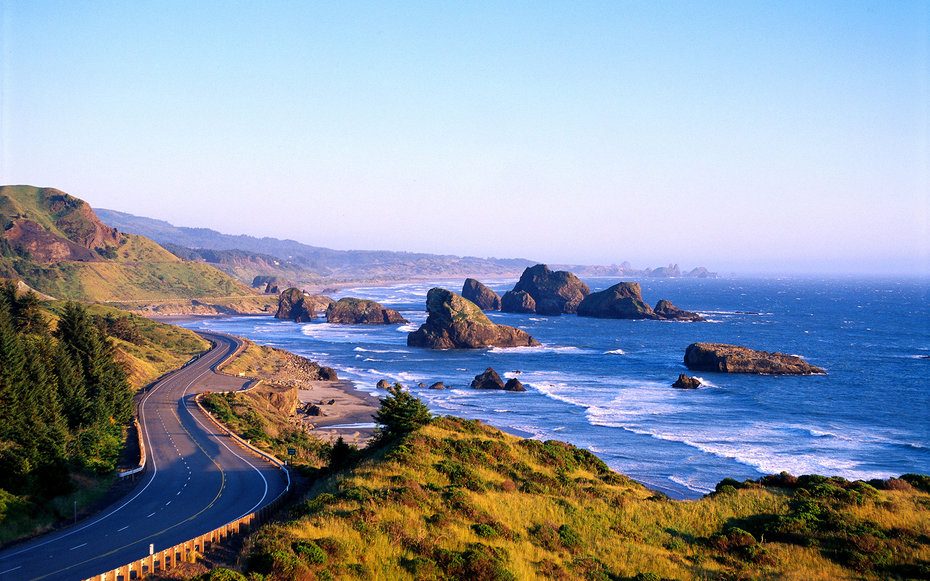
Yes, the Oregon Coast is worth visiting. All beaches are free and open to the public year-round, with no entrance fees except occasional day-use permits at select state parks. The coastline offers 363 miles of accessible shoreline, tide pools, sea stacks, lighthouses, and coastal trails. Arrive between 8:00 and 11:00 a.m. for better light and smaller crowds, especially in summer and on weekends.
Oregon's Beach Bill, passed in 1967, guarantees public access to the entire shoreline—a rarity among U.S. coastal states. That law turns the question of whether the Oregon Coast is worth visiting into a matter of logistics and expectations rather than access or cost. The coast operates as a linear route rather than a single destination. Highway 101 runs the full length, connecting towns, state parks, viewpoints, and beach access points. Cannon Beach and its offshore Haystack Rock sit 80 miles west of Portland. Cape Perpetua, Samuel H. Boardman State Scenic Corridor, and Shore Acres State Park anchor the central and southern sections. Most visitors drive segments rather than the entire highway, choosing stretches based on tide pool access, lighthouse tours, or proximity to their starting point. Weather shapes the experience more than season. Summer brings the most visitors but also persistent coastal fog that can obscure views until midday. Spring and fall offer clearer skies and fewer crowds, though wind and rain increase. Winter storms produce dramatic wave action but close some trails and viewpoints. The coastline remains accessible in all seasons, but conditions vary weekly. Tide cycles matter for exploring tide pools and sea caves—low tides expose marine life and rock formations that disappear at high tide. Most of the coastline is free to access. Public beaches require no permits. State parks such as Ecola, Cape Lookout, and Oswald West charge day-use fees ranging from five to ten dollars per vehicle, but many pullouts, beach access trails, and viewpoints along Highway 101 remain free. The scenic highway itself costs nothing to drive. Visitors planning multiple state park stops can purchase an annual pass. Coastal towns offer lodging, restaurants, and services at prices typical of small Oregon communities—lower than urban Portland but higher than inland rural areas. The Oregon Coast rewards visitors who plan around tides, weather windows, and specific landscape features rather than treating it as a single checkbox destination. It delivers consistent access, reliable infrastructure, and coastal scenery without the crowds or costs of California's Big Sur or Washington's Olympic Peninsula.
“Oregon's Beach Bill guarantees public access to the entire shoreline—a rarity among U.S. coastal states.”
When Is the Oregon Coast Worth Visiting for Weather and Crowds?
The period from late spring through early autumn offers the most stable weather for coastal exploration. Visiting during the shoulder months of April, May, September, and October balances accessible temperatures with smaller crowds.
Summer (July–August)
High seasonal volumeMild temperatures, 60°F–70°F
Expect heavy traffic on coastal highways and peak demand for lodging.
Shoulder Season (April–May, Sept–Oct)
ModerateCooler with mix of sun/rain
Coastal weather remains variable but crowd levels decrease significantly.
Winter (November–March)
MinimalCold, windy, 40°F–50°F
Frequent storms occur, though this season is popular for storm watching.
Weekday Mornings
Very low—
Arrive between 08:00–11:00 to avoid mid-day congestion and utilize morning light for photography.
Verdict: For the best balance of weather and crowd density, plan your visit for Tuesday to Thursday during September or October, ensuring an arrival window between 08:00 and 11:00.
Is the Oregon Coast Worth Visiting in Terms of Cost and Entrance Fees?
Visiting the Oregon Coast is highly accessible, as access to public beaches remains free of charge for all visitors. Costs primarily hinge on whether you choose to utilize state park facilities that require parking permits.
A typical visitor pays 0 USD for beach access, though specific state parks may require a paid day-use permit for parking.
What Makes the Oregon Coast Worth Visiting: Key Regions and Landscapes
The Oregon Coast features a diverse landscape ranging from jagged northern basalt cliffs to expansive southern sand dunes. These geological contrasts provide distinct environments for coastal exploration.
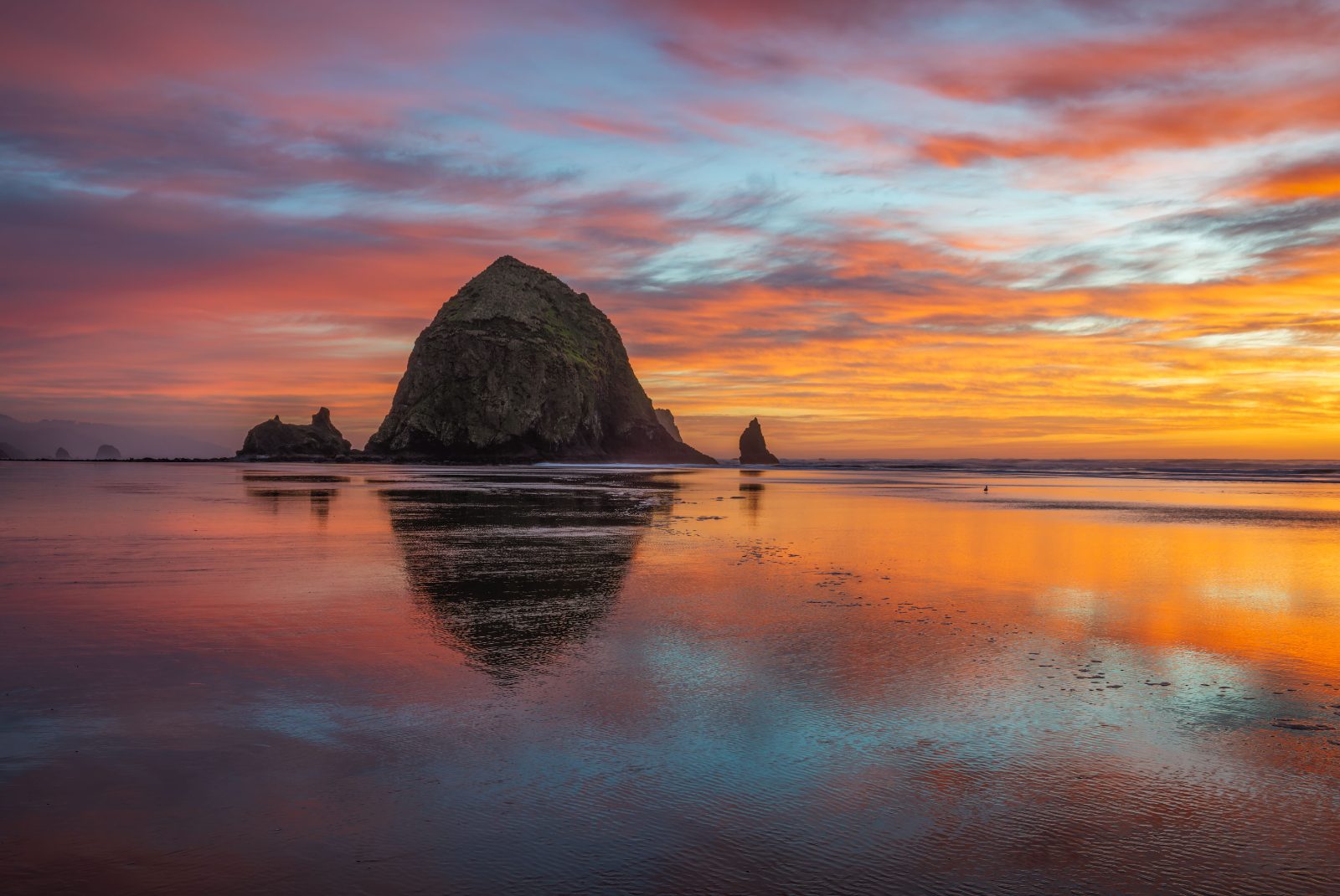
Cannon Beach
Home to Haystack Rock, this area is characterized by tide pools and dramatic sea stacks. Visit during low tide to walk the sand and observe marine life.
View sea stacks from the shoreline during low tide.
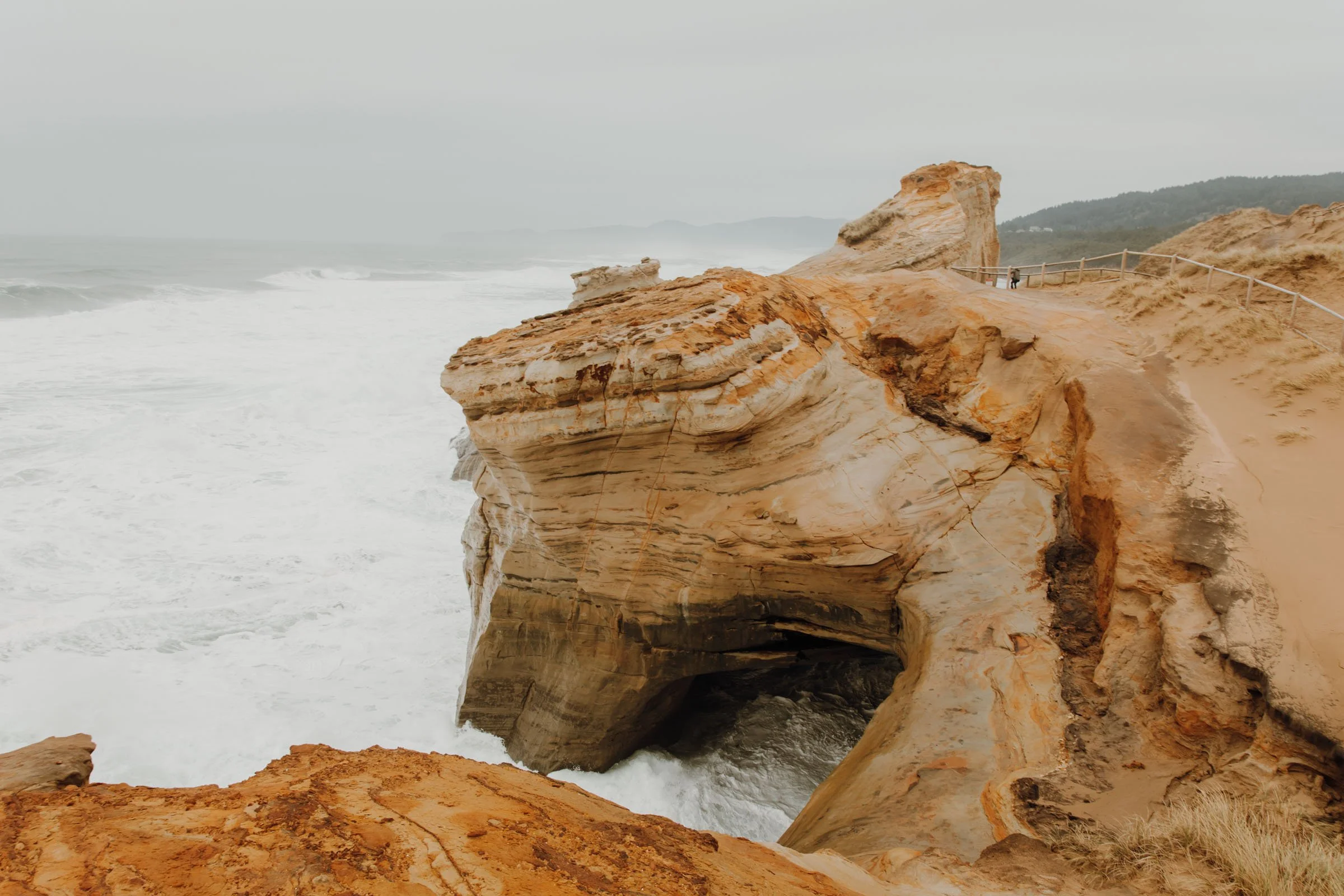
Cape Kiwanda
Located in Pacific City, this site features sandstone cliffs and active blowholes. The soft, golden-hued rock formations offer a different texture compared to the northern basalt.
Walk the cape trail for views of Pacific City.
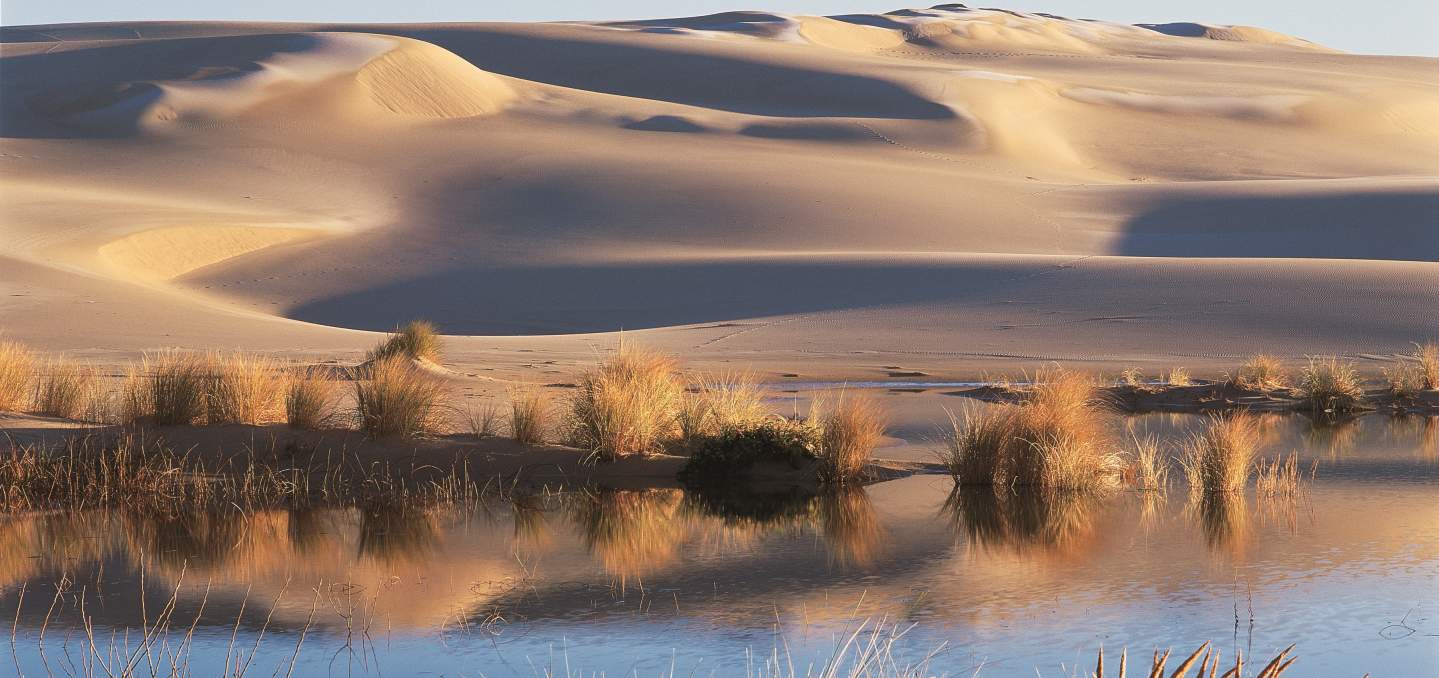
Oregon Dunes National Recreation Area
This vast stretch of sand dunes extends for 40 miles, showcasing shifting peaks and coastal forests. It serves as a contrast to the rocky shoreline found elsewhere.
Explore the dunes via designated paths to see shifting sand.
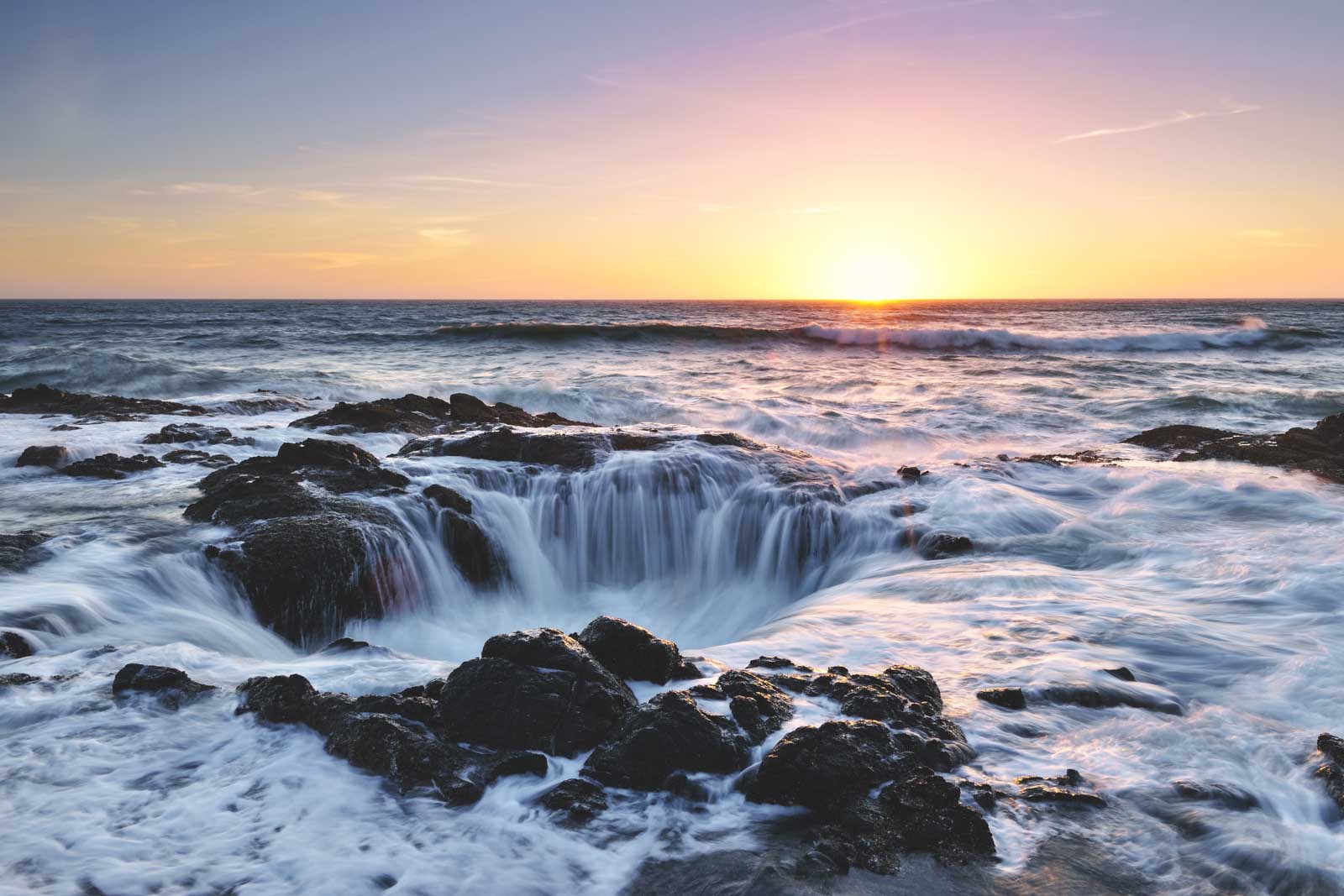
Thor’s Well
A natural sinkhole located near Cape Perpetua that appears to drain the ocean during high tide. It is a geological feature formed by basalt erosion.
Position yourself at a safe distance for photos during high tide.
How to Plan Your Drive: Is the Oregon Coast Worth Visiting from Portland?
The Oregon Coast is accessible from Portland primarily via major highways that connect the Willamette Valley to the Pacific shoreline. Driving remains the most practical method for visitors planning a day trip.
Highway 26 West to Cannon Beach
Highway 18 West to Lincoln City
Highway 6 West to Tillamook
Preparing for Your Trip: Is the Oregon Coast Worth Visiting With the Right Gear?
The Oregon Coast's weather shifts quickly—prepare for wind, rain, and sun in a single day.
-
Pack waterproof layers and a windbreaker — Coastal conditions change rapidly, and staying dry keeps you comfortable.
-
Bring sturdy, closed-toe shoes with grip — Beach trails and tide pools are slippery; sandals won't cut it.
-
Carry sunscreen and sunglasses — Even overcast days deliver strong UV exposure along the water.
-
Download offline maps of Highway 101 — Cell service is patchy between towns and state parks.
-
Fill your tank before leaving Portland — Gas stations thin out along remote coastal stretches.
-
Check tide tables for your visit dates — Low tide unlocks tide pools and sea caves; high tide limits beach access.
Check availability
Common Questions About Visiting the Oregon Coast
Everything you need to know about is oregon coast worth visiting